
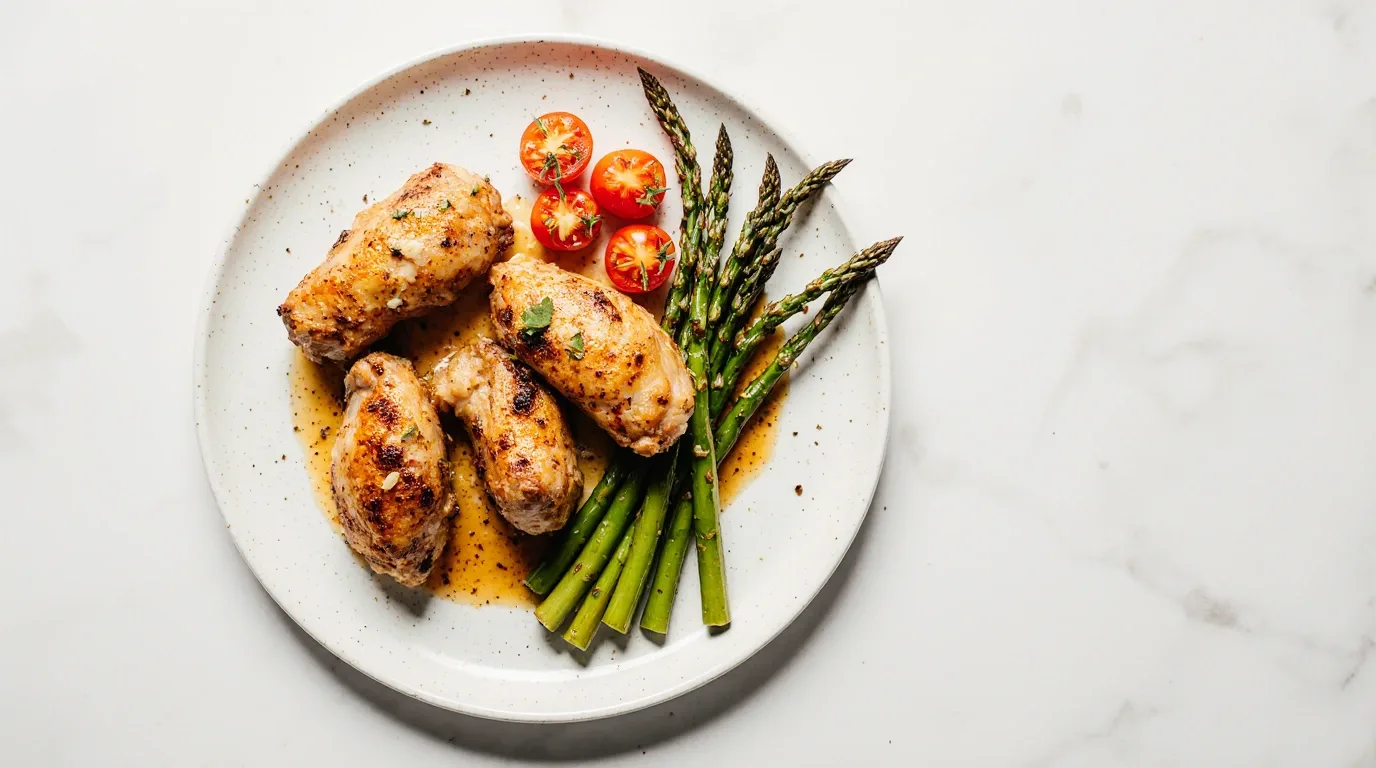
Chicken wings are one of those foods that spark endless debate. Some people see them as a guilty pleasure reserved for game nights and fast food runs. Others swear they can fit into a balanced diet if prepared the right way. So let’s address the real question directly: are chicken wings healthy?
The honest answer is not a simple yes or no. Chicken wings can be part of a healthy diet, but everything depends on how they are cooked, how much you eat, and how often.
To understand where chicken wings stand nutritionally, we need to look past the reputation and focus on the facts.
What Are Chicken Wings Made Of?
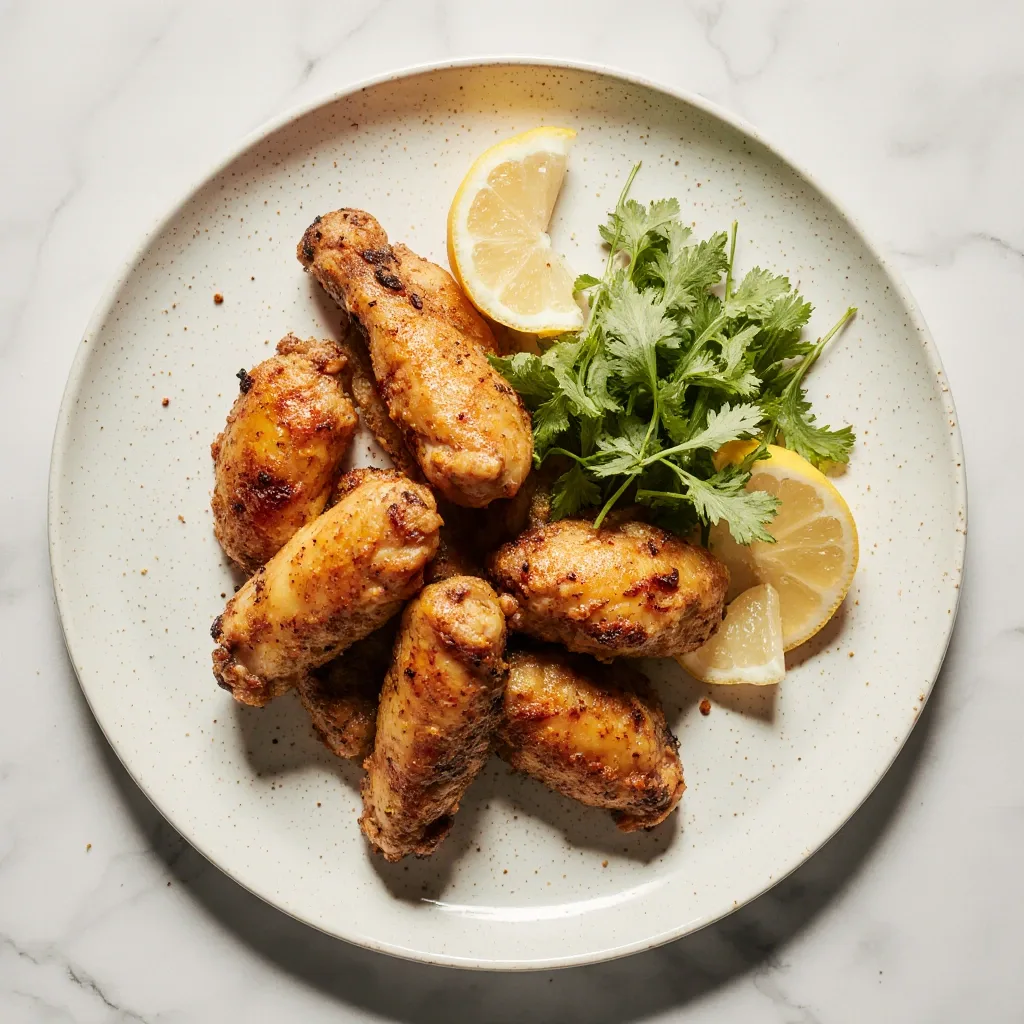
Chicken wings come from a fattier part of the chicken compared to breast meat. They include skin, bone, connective tissue, and muscle, which all influence their nutritional profile.
Unlike chicken breast, wings are not naturally lean. The skin plays a major role here—it adds flavor and texture, but it also increases fat and calories significantly.
That doesn’t automatically make them unhealthy. Fat is not the enemy. The problem usually starts with processing and preparation, not the wing itself.
Chicken Wings vs Other Chicken Cuts
When comparing chicken wings to other cuts:
- Chicken breast is lean, high in protein, and low in fat
- Chicken thighs have moderate fat and strong flavor
- Chicken wings contain more fat per gram, mainly due to the skin
Because of this, wings are more calorie-dense. You eat fewer grams before calories add up. This is why portion control matters much more with wings than with lean cuts.
However, wings still provide:
- High-quality animal protein
- B vitamins
- Minerals like selenium and phosphorus
So nutritionally, they’re not empty calories. They’re just less efficient if your goal is low calories and maximum protein.
Skin, Fat, and Cooking Impact
The skin is the defining factor in chicken wings.
With the skin on, wings contain a mix of saturated and unsaturated fats. When baked or grilled, this fat largely stays intact. When deep-fried, the wings absorb additional oil, pushing calories much higher.
This is where most people go wrong.
Chicken wings themselves aren’t unhealthy—but fried chicken wings with sugary or salty sauces are a completely different food from baked or air-fried wings.
Many foods get blamed for the way they are prepared, not for what they actually are.
Are Chicken Wings Healthy or Unhealthy?
Chicken wings sit in a gray area. They are not a “health food,” but they’re also not junk food by default.
They can be healthy when:
- Cooked without deep frying
- Served without heavy sauces
- Eaten in reasonable portions
They become unhealthy when:
- Fried in oil
- Covered in sugary or creamy sauces
- Eaten in large quantities frequently
Context matters more than the food itself.
The Nutritional Pros of Chicken Wings
One overlooked benefit of chicken wings is satiety. Because they contain both protein and fat, they tend to be more filling than very lean cuts.
Protein helps with:
- Muscle maintenance
- Appetite control
- Blood sugar stability
Fat slows digestion, which can help prevent rapid hunger spikes. This combination can actually be useful when eaten mindfully.
Chicken wings are also less processed than many packaged foods people consider “healthy.” When made at home with simple ingredients, they remain a whole, recognizable food.
The Nutritional Cons of Chicken Wings
The main drawbacks are:
- Higher calorie density
- Higher fat content
- Often high sodium levels
These issues don’t come from the wings alone, but from portion size and preparation style. Eating wings without tracking can easily push you into a calorie surplus without realizing it.
This is why wings are often associated with weight gain—not because they are inherently unhealthy, but because they’re easy to overeat.
Calories in Chicken Wings
When people ask “are chicken wings healthy?”, calories are usually the first concern—and for good reason. Chicken wings can vary wildly in calorie content depending on how they are prepared.
This is where most misconceptions come from.
Fried Chicken Wings Calories
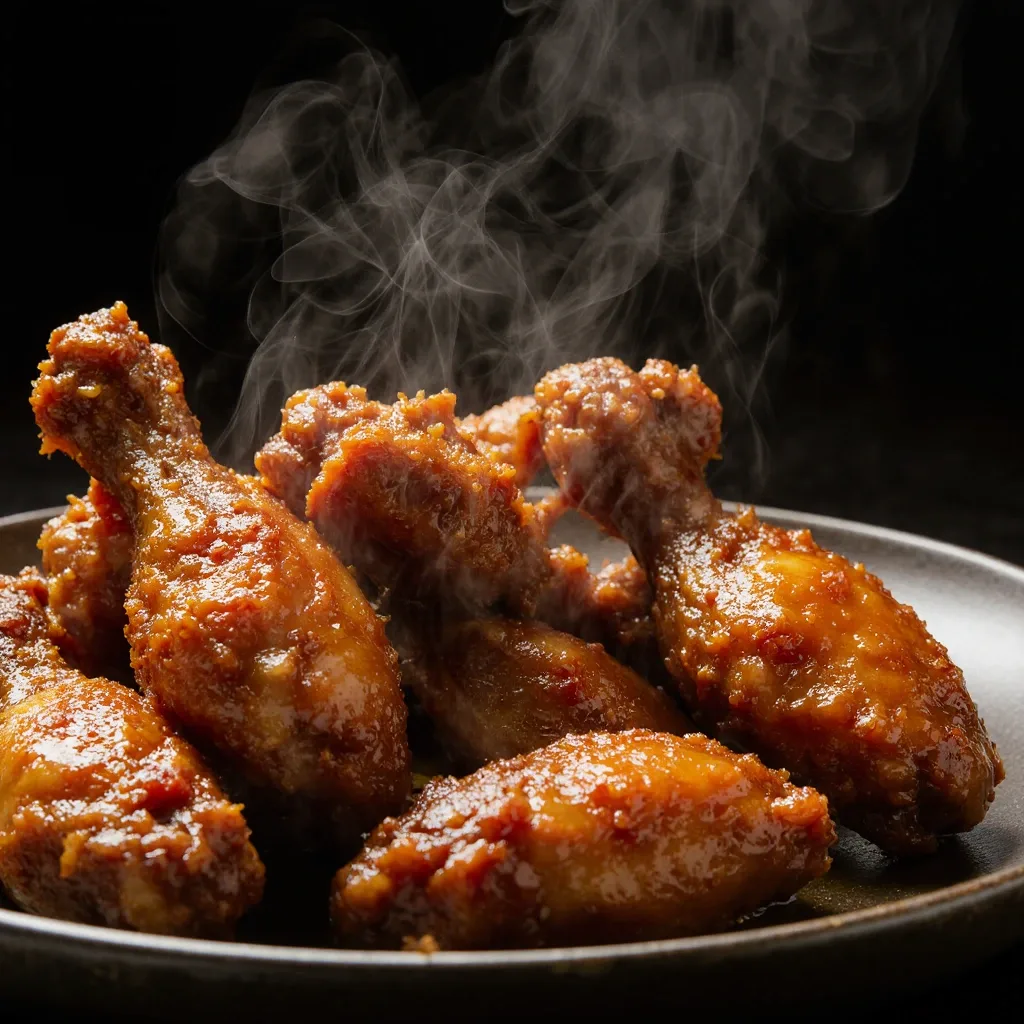
Fried chicken wings are the version most people think of first. They’re crispy, flavorful, and often coated in sauce—but nutritionally, they’re the least favorable option.
A single fried chicken wing can contain anywhere between 90 and 120 calories, depending on:
- Size of the wing
- Type of oil used
- Amount of breading
- Sauce added afterward
That means a typical serving of 8–10 fried wings can easily exceed 800–1,000 calories without feeling like a large meal.
The issue isn’t just calories—it’s how easily they add up. Fried wings are energy-dense but not very filling relative to their calorie load, especially when paired with sauces high in sugar and sodium.
This is where chicken wings stop being “sometimes healthy” and become a regular obstacle to balanced eating.
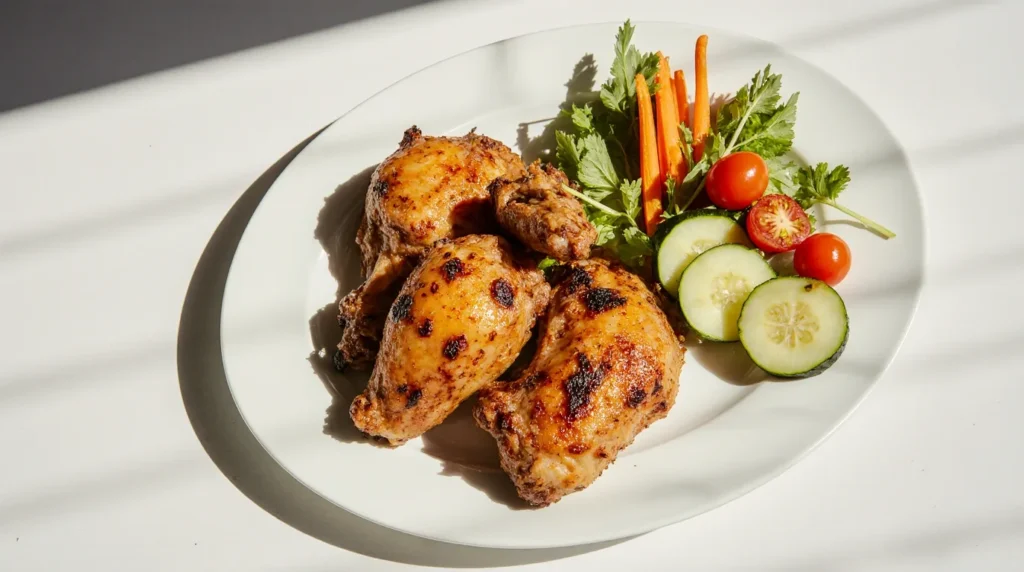
Baked and Grilled Chicken Wings Calories
Baked, grilled, or air-fried wings tell a very different story.
When cooked without added oil, a chicken wing typically contains 60–70 calories. That’s a significant reduction compared to deep frying.
The fat present comes mostly from the skin itself, not from absorbed cooking oil. This keeps calories more predictable and easier to manage.
Baked or grilled wings can absolutely fit into a healthy diet when:
- Portions are controlled
- Sauces are used lightly or skipped
- They’re paired with vegetables instead of fries
This preparation style turns wings from a “cheat food” into a reasonable meal option.
Protein Content in Chicken Wings
Calories alone don’t determine whether a food is healthy. Protein content matters just as much—especially for weight management and muscle maintenance.
How Much Protein Do Chicken Wings Provide?
Chicken wings are not protein-poor, but they’re not protein-efficient either.
On average, one chicken wing provides 6–9 grams of protein, depending on size and meat content. Because wings contain bone and skin, the actual edible protein portion is smaller than it appears.
This means you often need to eat several wings to reach the protein content of one serving of chicken breast.
Protein-wise:
- 2–3 wings ≈ 15–20 g protein
- 6 oz chicken breast ≈ 40 g protein
This difference matters if your goal is maximizing protein while keeping calories controlled.
Chicken Wings vs Chicken Breast Protein
Chicken breast is lean and protein-dense. Wings are flavorful but less efficient.
That doesn’t make wings bad—it just means they serve a different purpose.
Chicken wings:
- Offer taste and satisfaction
- Provide protein plus fat
- Work best in moderation
Chicken breast:
- Maximizes protein per calorie
- Fits better into strict dieting
- Is easier to track and portion
Understanding this difference helps you choose the right food for the right situation instead of labeling foods as “good” or “bad.”
Are Chicken Wings Healthy for Weight Loss?
Yes—but only under specific conditions.
Chicken wings can fit into a weight-loss diet if:
- They are baked, grilled, or air-fried
- Portions are limited
- Sauces are controlled
They are not ideal as a daily protein source for weight loss due to their higher fat and calorie density. However, including them occasionally can improve dietary adherence and prevent feelings of restriction.
A diet you can maintain beats a perfect diet you quit.
Portion Control and Frequency
Portion control is the deciding factor.
A reasonable portion:
- 4–6 baked wings
- Served with vegetables or salad
- Minimal sauce
Eating wings multiple times per week, especially fried versions, makes staying in a calorie deficit much harder—even if the rest of your diet is clean.
Are Chicken Wings Healthy for Muscle Building?
When it comes to muscle building, protein quality and total calorie intake both matter. Chicken wings can contribute to muscle growth, but they are not the most efficient option.
Because wings contain more fat and bone than lean cuts, you need to eat more of them to reach an effective protein dose. That extra intake often comes with additional calories, which may or may not align with your goals.
For people in a calorie surplus, this is less of an issue. For those trying to build lean muscle while staying relatively lean, wings require more careful planning.
Chicken wings can support muscle building when:
- They are part of a high-protein day overall
- Portions are measured
- They are combined with lean protein sources elsewhere
They work best as a supporting protein, not the foundation of a muscle-focused diet.
Protein-to-Calorie Ratio Explained
One of the simplest ways to judge whether a food fits your goals is to look at its protein-to-calorie ratio.
Chicken wings provide protein, but a significant portion of their calories comes from fat. This lowers their efficiency compared to chicken breast, turkey, or fish.
That doesn’t make wings useless. It just means they are better suited for:
- Flexible eating
- Social meals
- Occasional variety
Rather than everyday optimization.
Common Problems with Eating Chicken Wings
Most issues associated with chicken wings come from habits, not the food itself.
High Fat and Sodium Intake
Wings are often heavily salted and served with sauces high in sodium. Over time, excessive sodium intake can contribute to water retention and blood pressure issues, especially when combined with processed side dishes.
The fat content also adds up quickly if wings are eaten frequently or in large quantities. This becomes problematic when people underestimate portions or eat wings alongside fries, bread, or sugary drinks.
Sauces and Hidden Calories
Sauces are where chicken wings often turn unhealthy.
Buffalo sauce, honey barbecue, and creamy dips can double the calorie content of a serving without adding much nutritional value. Many sauces also contain added sugars that undermine otherwise balanced meals.
The wings themselves may be reasonable—the extras are not.
How to Make Chicken Wings Healthier
If you enjoy chicken wings, the solution isn’t elimination. It’s smarter preparation.
Best Cooking Methods
Healthier cooking options include:
- Baking
- Grilling
- Air frying
These methods reduce added fat while preserving flavor. Removing excess skin fat after cooking can further lower calorie intake without sacrificing satisfaction.
Healthier Sauce and Seasoning Options
Dry rubs, spices, garlic, herbs, vinegar-based sauces, and light homemade marinades keep wings flavorful without excessive calories or sugar.
Flavor doesn’t require heaviness. It requires balance.
Are Chicken Wings Healthy If Eaten Regularly?
Chicken wings can be part of a healthy diet, but they should not be a daily staple for most people.
Eating them occasionally once a week or less is reasonable, especially when prepared at home with simple ingredients. Eating them frequently, especially fried or heavily sauced, increases the risk of excess calories and fat intake.
How Often Is Too Often?
If chicken wings are showing up multiple times per week, it’s usually a sign to reassess preparation style and portion size. Balance matters more than restriction.
How Chicken Wings Compare to Other Popular Chicken Options
To better understand whether chicken wings fit into a healthy diet, it helps to compare them with other common chicken choices and cooking styles. This detailed Medium article offers a broader perspective on the health debate around chicken wings, including preparation methods and portion control:
https://medium.com/@tastymealrecipes/are-chicken-wings-healthy-a-clear-honest-look-beyond-the-myths-7c9fdec2486a
When compared to leaner cuts, the differences become clearer. For example, a 6 oz chicken breast is often used as a reference portion because of its high protein and lower calorie content, as explained here:
https://tastymealrecipes.com/6-oz-chicken-breast-nutrition/.
Cooking method also plays a major role. Fried chicken significantly increases calories and fat intake, which is broken down in this guide on fried chicken calories and carbs:
https://tastymealrecipes.com/fried-chicken-kcal-calories-carbs/.
Other cuts, such as chicken drumsticks, fall somewhere in between in terms of fat and protein balance. This comparison of protein content in chicken drumsticks helps put wings into context:
https://tastymealrecipes.com/chicken-drumstick-protein-amount-guide/.
Overall, if your goal is maximizing protein while keeping calories controlled, chicken breast remains the most efficient option, which is why it’s often recommended in high-protein eating plans:
https://tastymealrecipes.com/chicken-breast-high-protein/.
This comparison shows that chicken wings aren’t inherently unhealthy, but their nutritional value depends heavily on how they stack up against other cuts and how they’re prepared.
Final Verdict: Are Chicken Wings Healthy or Not?
So, are chicken wings healthy?
They can be—but only when approached with awareness.
Chicken wings are not inherently unhealthy. They provide protein, flavor, and satisfaction. However, their higher fat content and common cooking methods mean they require more moderation than lean cuts like chicken breast.
When baked or grilled, eaten in reasonable portions, and paired with nutritious sides, chicken wings can fit into a balanced diet. When fried, heavily sauced, and eaten frequently, they become a barrier to health goals.