
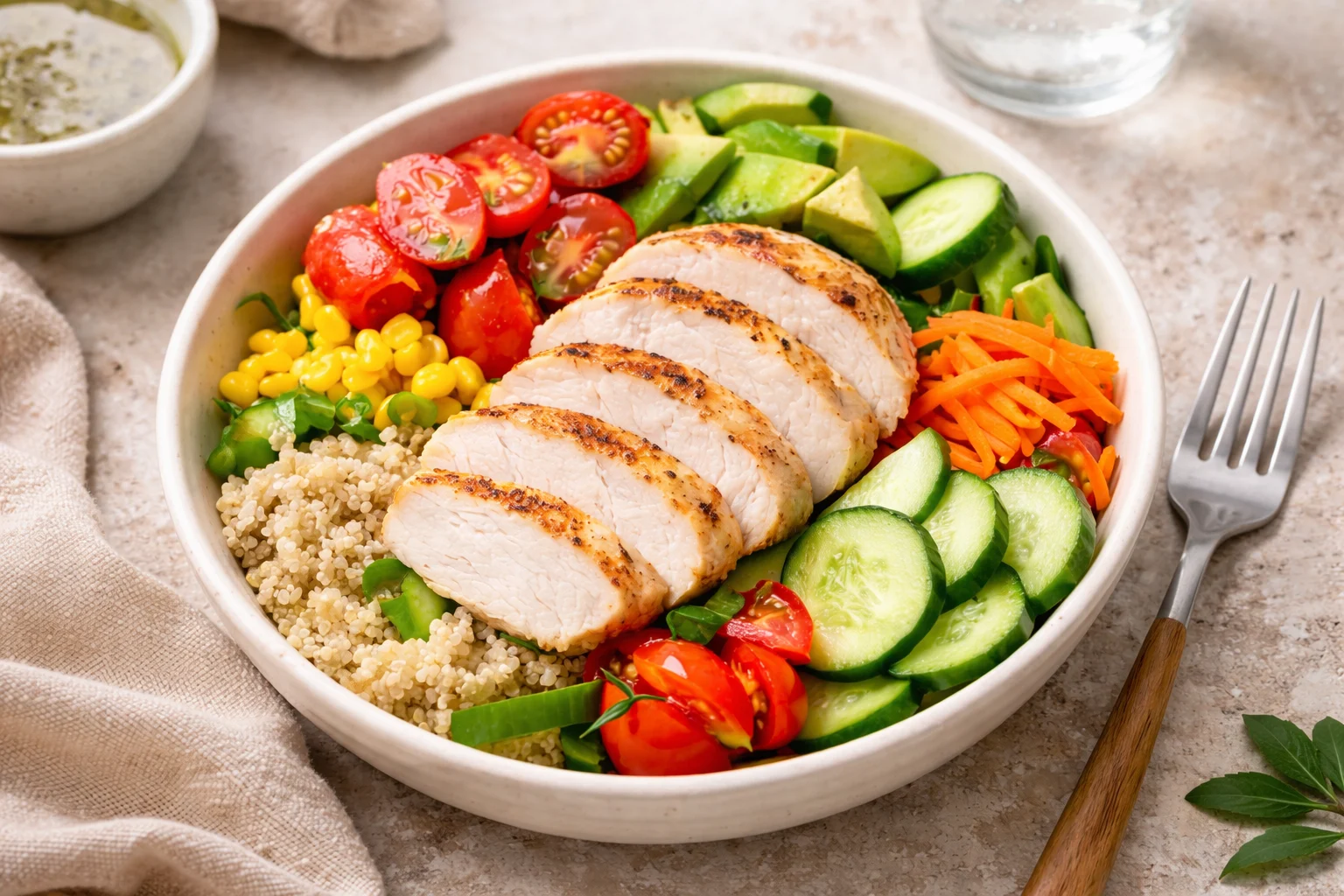
If you’ve ever followed a meal plan, tracked your calories, or tried to eat “clean,” you’ve probably seen this portion pop up more than once: 4 oz chicken breast. It’s often presented as a standard serving, especially in general nutrition guidelines. But what does that actually mean in real life?
Is 4 oz enough protein?
Is it better for weight loss than larger portions?
And how does it compare to the more popular 6 oz serving?
Let’s slow things down and look at the facts without assumptions or hype.

What Does 4 oz Chicken Breast Mean?
At its core, 4 oz simply refers to weight, not size. Four ounces equal about 113 grams. However, this number only makes sense if you know when the chicken is being weighed.
This is where many people get confused.
Most nutrition data and meal plans refer to raw weight, not cooked weight. Chicken breast loses water during cooking, which means a 4 oz raw portion typically weighs closer to 3–3.2 oz once cooked, depending on the cooking method.
That difference may seem small, but over multiple meals and days, it can significantly affect your protein intake.
Raw vs Cooked Weight Differences
Here’s the key idea to remember:
- 4 oz raw chicken breast ≠ 4 oz cooked chicken breast
When chicken cooks, moisture evaporates. The protein and calories remain, but the weight drops. If you weigh chicken after cooking and assume it’s still 4 oz, you may actually be eating less than planned.
This is one of the most common mistakes people make when tracking macros.
Consistency matters more than perfection. Choose one method—raw or cooked—and stick with it every time.
How Big Is a 4 oz Chicken Breast?
Without a scale, a 4 oz chicken breast can be estimated visually.
It’s roughly:
- The size of a deck of cards
- Slightly smaller than the palm of your hand
- Thin to medium thickness
Compared to restaurant portions, 4 oz often looks small. That’s because many restaurant chicken servings are closer to 6–8 oz or more.
This visual mismatch is one reason people feel unsure when portioning chicken at home. What looks “normal” is often larger than what’s nutritionally considered a standard serving.
Nutrition Facts of a 4 oz Chicken Breast
Despite its smaller size, a 4 oz chicken breast still packs solid nutrition.
A 4 oz raw, skinless, boneless chicken breast typically provides:
- Around 120–130 calories
- Approximately 25–28 grams of protein
- Very little fat (1–2 grams)
- Zero carbohydrates
This makes it a lean, efficient protein source, especially for people aiming to control calories.
However, nutrition isn’t just about numbers. Context matters.
Calories in a 4 oz Chicken Breast
At roughly 120–130 calories, a 4 oz chicken breast fits easily into low-calorie meal plans. It’s often used in:
- Weight-loss diets
- Light lunches
- Multi-meal protein distribution strategies
Because it’s low in fat and carbs, most of the calories come from protein. That’s great for calorie control, but it also means the meal may feel less filling unless paired with fiber, healthy fats, or carbohydrates.
Protein Content in 4 oz Chicken Breast
With about 25–28 grams of protein, a 4 oz portion provides a meaningful amount—but not always enough on its own.
For some people, this is perfect:
- Smaller body weight
- Lower activity levels
- Multiple protein-rich meals per day
For others, especially those training hard or dieting aggressively, 4 oz may feel insufficient.
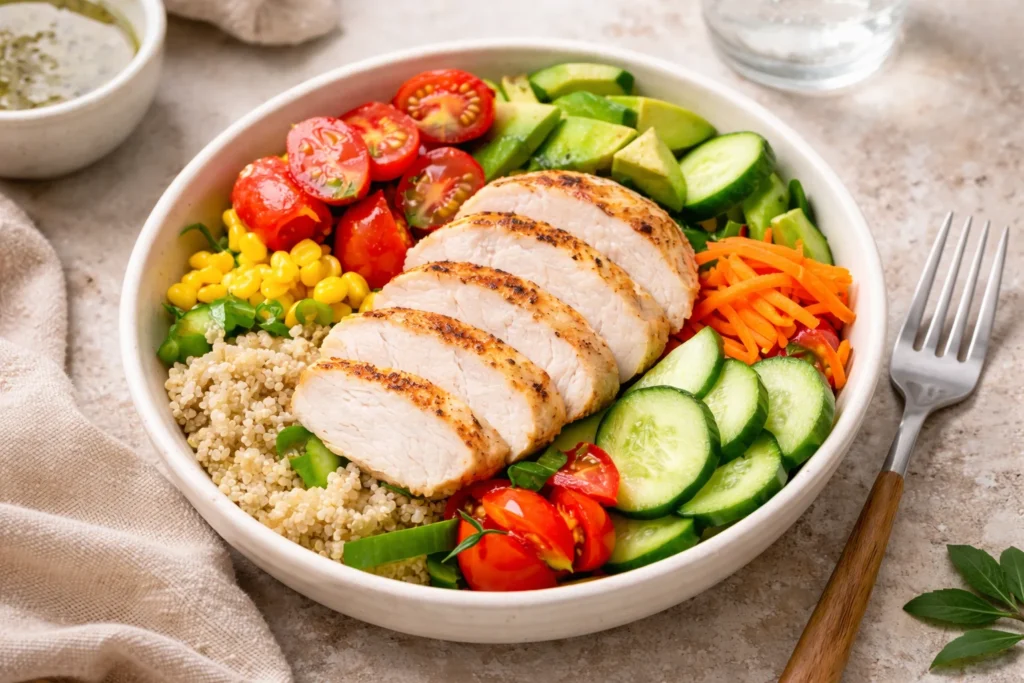
Is 4 oz Chicken Breast Enough Protein?
This is the question that really matters. Calories are easy to count, but protein adequacy depends on your goals, body size, and activity level.
A 4 oz chicken breast provides roughly 25–28 grams of protein. Whether that’s “enough” depends entirely on context.
4 oz Chicken Breast for Weight Loss
For weight loss, 4 oz chicken breast can work very well—if used correctly.
Protein helps with:
- Appetite control
- Preserving lean mass in a calorie deficit
- Reducing cravings
A 4 oz portion fits easily into a low-calorie meal while leaving room for vegetables, healthy fats, or carbohydrates.
This portion size works especially well for:
- Smaller individuals
- People eating 3–5 meals per day
- Diets focused on calorie control rather than maximum protein per meal
However, some people feel hungry again quickly after a meal built around only 4 oz of chicken. In that case, the issue isn’t the chicken—it’s the overall meal composition. Adding fiber-rich vegetables or a small amount of fat often solves the problem.
4 oz Chicken Breast for Muscle Maintenance
If your goal is muscle maintenance rather than growth, 4 oz can be sufficient when:
- Total daily protein intake is adequate
- Protein is spread evenly across meals
- Training volume is moderate
For example, eating 4 oz of chicken breast across three meals already provides roughly 75–85 grams of protein, before accounting for other sources like eggs, dairy, or legumes.
In this context, 4 oz portions allow flexibility without overloading calories.
4 oz Chicken Breast for Muscle Growth
This is where limitations appear.
For muscle growth, most people benefit from higher protein doses per meal. While 4 oz provides a solid base, it may fall short of optimal stimulation—especially for larger or highly active individuals.
That doesn’t mean 4 oz is useless. It simply means:
- It may need to be paired with another protein source
- Or used in more frequent meals
- Or increased to 5–6 oz when training demands are higher
Muscle growth is not about one perfect portion. It’s about total intake over time.
4 oz vs 6 oz Chicken Breast
The difference between 4 oz and 6 oz chicken breast may seem small, but nutritionally, it matters.
Calories and Protein Comparison
Here’s a simple comparison (raw weight):
- 4 oz chicken breast
- ~120–130 calories
- ~25–28 g protein
- 6 oz chicken breast
- ~180–200 calories
- ~40–42 g protein
That extra 2 oz adds a significant protein boost with relatively few additional calories.
This is why 6 oz portions are more common in:
- Bodybuilding plans
- High-protein diets
- Aggressive fat-loss phases
Which Portion Size Is Better for You?
There is no universal “best” portion.
Choose 4 oz if:
- You prefer lighter meals
- You eat protein frequently
- Calorie control is the top priority
Choose 6 oz if:
- You train hard
- You want fewer, more protein-dense meals
- You struggle to hit daily protein targets
Many people alternate between both depending on the meal and the day.
Common Mistakes with 4 oz Chicken Breast
Underestimating Protein Intake
Because 4 oz looks small, people often assume they’re eating more protein than they are. Over time, this can slow progress, especially for muscle-related goals.
Tracking for a few weeks can be eye-opening.
Confusing Raw and Cooked Portions
This remains one of the most common errors. Weighing chicken cooked instead of raw often results in unintentionally smaller portions.
How to Use 4 oz Chicken Breast in Everyday Meals
One of the biggest advantages of a 4 oz chicken breast is its flexibility. This portion size fits naturally into many types of meals without dominating the plate or pushing calories too high.
Because it’s relatively light, it works especially well when combined with other nutrient-dense foods.
Lunch and Dinner Ideas
A 4 oz chicken breast pairs easily with:
- Steamed or roasted vegetables
- Rice, potatoes, or whole grains
- Salads with olive oil–based dressings
- Wraps or bowls with legumes and greens
For lunch, this portion helps keep energy levels stable without causing heaviness or post-meal fatigue. For dinner, it allows room for carbohydrates and fats that support recovery and sleep.
The key is balance. On its own, 4 oz of chicken may feel underwhelming. As part of a well-structured plate, it becomes more than enough.
Meal Prep Tips That Actually Work
Meal prep is where 4 oz portions really shine.
Because the portions are smaller:
- Cooking time is shorter
- Portions are easier to distribute evenly
- Waste is minimized
A practical strategy is to cook chicken in bulk, then portion it into 4 oz servings before storing. This keeps tracking simple and reduces guesswork during the week.
Slightly undercooking the chicken helps prevent dryness when reheating. Letting it rest before cutting also preserves moisture.
Consistency beats perfection. A repeatable system matters more than flawless execution.
Is 4 oz Chicken Breast Healthy Every Day?
Yes, eating a 4 oz chicken breast daily is perfectly safe and healthy for most people.
It’s a lean, minimally processed protein source that supports muscle maintenance, appetite control, and overall nutrition. The only downside comes from lack of variety, not from the chicken itself.
Rotating protein sources improves micronutrient intake and keeps meals enjoyable.
How Many Times Per Day Can You Eat It?
hat depends on your total protein needs.
Some people eat:
One 4 oz portion per day
Others eat two or three portions spread across meals
What matters is total daily intake, not how many times chicken appears on your plate.
If you rely heavily on 4 oz portions, make sure you’re hitting your protein target across the entire day.
How a 4 oz Chicken Breast Fits Within Different Chicken Choices
To fully understand when a 4 oz chicken breast is enough, it helps to compare it with other common chicken options and portion sizes. This Medium article explores the topic in more depth, explaining why this portion works for many people and when it may fall short:
https://medium.com/@tastymealrecipes/why-a-4-oz-chicken-breast-is-often-enough-and-when-it-isnt-0764860c4e04
Chicken breast is often chosen for its lean protein content, but other cuts and preparations change the nutritional picture. For example, chicken wings raise different health questions due to their higher fat content, which is discussed here:
https://tastymealrecipes.com/are-chicken-wings-healthy/.
Larger portions, such as a 6 oz chicken breast, provide more protein per meal and may be more suitable for higher activity levels, as detailed in this guide:
https://tastymealrecipes.com/6-oz-chicken-breast-nutrition/.
Cooking method also matters. Fried chicken significantly alters calorie and fat intake, a difference clearly explained in this breakdown of fried chicken calories and carbs:
https://tastymealrecipes.com/fried-chicken-kcal-calories-carbs/.
Finally, other cuts like chicken drumsticks offer a different balance of protein and fat, which can be useful to understand when planning meals:
https://tastymealrecipes.com/chicken-drumstick-protein-amount-guide/.
Final Thoughts: Should You Choose 4 oz or More?
A 4 oz chicken breast is not too small—and it’s not always enough. It’s a tool, not a rule.
For:
- Weight loss
- Smaller appetites
- Frequent meals
- Calorie-conscious eating
4 oz works extremely well.
For:
- Muscle growth
- Higher activity levels
- Fewer daily meals
You may benefit from larger portions like 5–6 oz.
The smartest approach is flexibility. Some meals call for lighter portions. Others require more.
Nutrition doesn’t improve when it becomes rigid. It improves when it becomes intentional.