
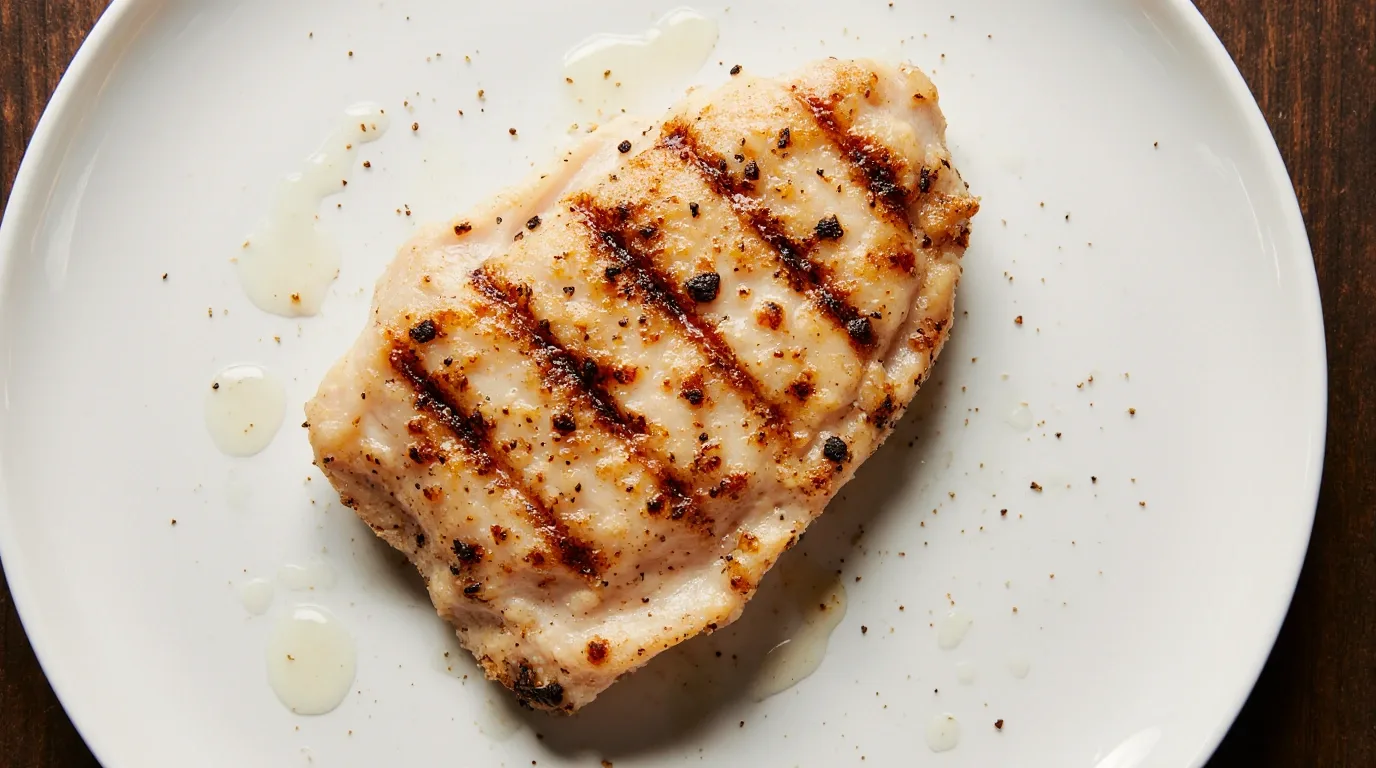
If you’ve ever followed a diet plan, tracked your macros, or stepped into a gym, chances are you’ve seen this exact portion mentioned everywhere: 6 oz chicken breast. It shows up in meal plans, fitness apps, bodybuilding forums, and weight-loss programs like it’s some kind of magic number.
But what does it really mean?
Is 6 oz chicken breast cooked or raw?
How much protein does it actually provide?
Is it enough for one meal—or just a starting point?
Let’s clear the confusion once and for all.
A 6 oz chicken breast is popular because it hits a sweet spot: high protein, relatively low calories, and easy to fit into almost any eating style. Whether your goal is fat loss, muscle building, or simply eating cleaner, this portion size has become a reference point for a reason.
Think of it like a reliable tool in your kitchen. Not flashy, not complicated—but extremely effective when used correctly.
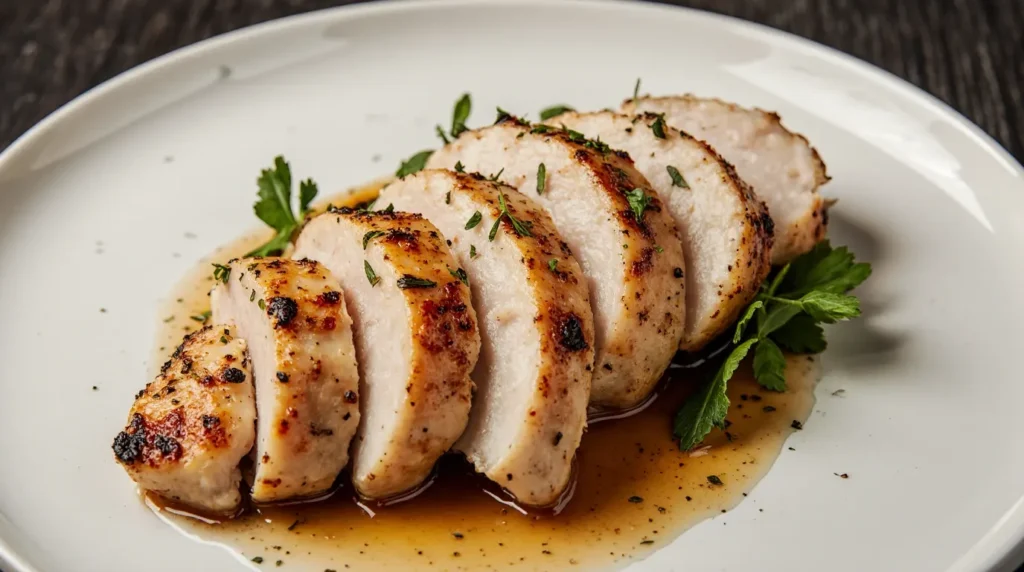
What Does “ 6 oz Chicken Breast ” Really Mean?
At first glance, “6 oz” sounds straightforward. But this is where many people unknowingly make mistakes.
An ounce (oz) is a unit of weight, not size. So when someone says “6 oz chicken breast,” they are referring to 170 grams approximately. The issue? Chicken changes weight when cooked.
That’s where confusion begins.
Raw vs Cooked Weight: Why It Matters
Here’s the key point most people miss:
Chicken breast loses water during cooking, which means it weighs less after cooking than it did raw.
A 6 oz raw chicken breast will usually end up weighing around 4.5 to 5 oz once cooked, depending on the cooking method. Grilling and baking cause more water loss than poaching, for example.
This matters because:
- Calories and protein are often calculated based on raw weight
- People often weigh chicken after cooking and assume it’s still 6 oz
That small misunderstanding can throw off your protein intake by 20–30%.
“Most portion mistakes don’t come from overeating—they come from miscalculating.”
If your meal plan says 6 oz and doesn’t specify raw or cooked, assume raw unless stated otherwise. That’s the most common standard in nutrition tracking.
Visualizing 6 oz Without a Scale
No kitchen scale? No problem.
While weighing food is the most accurate method, you can estimate 6 oz chicken breast visually:
- Roughly the size of your open palm
- About the thickness of a deck of cards, but wider
- Slightly larger than a typical restaurant chicken fillet
That said, visual estimates are just that—estimates. If you’re serious about results, a small digital scale is one of the simplest and most effective tools you can buy for your kitchen.
Nutrition Breakdown of a 6 oz Chicken Breast
Now let’s get to the reason chicken breast is so popular in the first place: its nutrition profile.
A skinless, boneless 6 oz chicken breast (raw) typically provides:
- High-quality complete protein
- Very little fat
- Zero carbohydrates
It’s clean, simple, and predictable—exactly what most people want when managing their diet.
Nutrition Breakdown of a 6 oz Chicken Breast
One of the biggest reasons the 6 oz chicken breast is so widely used in nutrition plans is its predictability. You know almost exactly what you’re getting every time, which makes it easier to plan meals, track macros, and stay consistent.
Let’s break it down clearly.
Calories in a 6 oz Chicken Breast
A 6 oz raw, skinless, boneless chicken breast contains approximately 180–200 calories once cooked, depending on moisture loss and cooking method.
Here’s why the number isn’t perfectly fixed:
- Cooking causes water loss, not calorie loss
- Grilling or baking concentrates calories per ounce after cooking
- Added oil or sauces can significantly increase total calories
Plain chicken breast on its own is very calorie-efficient. That’s why it’s often described as a “high-protein, low-calorie” food.
If calories were money, chicken breast would be one of those rare purchases where you get premium quality without overspending.
Protein Content: How Much Are You Really Getting?
This is the headline number everyone cares about.
A 6 oz chicken breast provides roughly 40–42 grams of protein.
That’s a substantial amount for a single meal. For most people, that already covers:
- About 65–75% of protein needs for one meal
- A strong stimulus for muscle protein synthesis
- Excellent satiety, meaning you feel full longer
The protein in chicken breast is considered complete protein, meaning it contains all nine essential amino acids your body cannot produce on its own.
“Protein isn’t just about muscles—it’s about recovery, hormones, immunity, and long-term health.”
This makes a 6 oz chicken breast especially useful for:
- People in a calorie deficit
- Strength training or bodybuilding
- Anyone trying to reduce snacking or overeating
Fat, Carbs, and Micronutrients
Chicken breast is naturally very low in fat. A 6 oz portion typically contains:
- 2–4 grams of fat
- 0 grams of carbohydrates
That low fat content is a double-edged sword. On one hand, it keeps calories low. On the other, it means chicken breast doesn’t provide much dietary fat, which is essential for hormone production and vitamin absorption.
That’s why pairing chicken breast with:
- Olive oil
- Avocado
- Nuts
- Whole grains
is often a smart nutritional move.
In terms of micronutrients, a 6 oz chicken breast contributes:
- B vitamins (especially B3 and B6)
- Selenium
- Phosphorus
These support energy metabolism, nervous system function, and immune health.
Is 6 oz Chicken Breast Healthy?
Short answer: yes, but context matters.
Chicken breast is not a “superfood,” but it is a reliable foundation food. Like a plain white T-shirt, it’s not exciting by itself—but it works with everything.
Benefits for Weight Loss
For fat loss, 6 oz chicken breast checks nearly every box:
- High protein improves satiety
- Low calories make deficits easier
- Minimal processing reduces hidden ingredients
Protein also has a higher thermic effect than carbs or fat, meaning your body burns more calories digesting it.
Benefits for Muscle Growth
For muscle building, protein quantity and quality matter.
A 6 oz chicken breast delivers enough protein to:
- Stimulate muscle repair
- Support lean mass retention
- Fit easily into multi-meal plans
That’s why many training programs revolve around portions like this.
Is It Good to Eat Every Day?
Nutritionally, yes. Practically, it depends.
Eating 6 oz chicken breast daily is safe and effective, but relying on it exclusively can lead to:
- Taste fatigue
- Limited micronutrient variety
- Reduced dietary enjoyment
“The best diet is the one you can stick to—not the one that looks perfect on paper.”
Rotation is key. Chicken breast should be a tool, not a cage.
6 oz Chicken Breast vs Other Protein Portions
Once you understand what a 6 oz chicken breast provides, the next logical question is comparison. Is it too much? Not enough? How does it stack up against other common portions?
Compared to 4 oz Chicken Breast
A 4 oz chicken breast is often considered a “standard” serving, especially in general nutrition guidelines. However, nutritionally speaking, it delivers only about 26–28 grams of protein.
That can be enough for:
- Sedentary individuals
- Light meals
- Smaller calorie targets
But for active people or those dieting aggressively, 4 oz often falls short in terms of satiety and muscle support. This is why many plans step up to 6 oz—it’s more satisfying without being excessive.
Compared to 8 oz Chicken Breast
An 8 oz chicken breast pushes protein intake closer to 55–60 grams per meal. While that can be useful for larger individuals or intense training days, it’s not always necessary.
More is not automatically better. Beyond a certain point, excess protein in one meal doesn’t provide additional muscle-building benefits and can simply displace other important nutrients.
A 6 oz portion sits right in the middle: efficient, effective, and easy to distribute across the day.
Chicken Breast vs Other Proteins
Compared to other protein sources:
- Beef contains more fat and calories
- Salmon provides healthy fats but fewer grams of protein per calorie
- Eggs are nutrient-dense but lower in protein per serving
- Plant proteins often require larger portions to match the same protein intake
Chicken breast stands out because it offers maximum protein with minimal extras, making it ideal for precision-based eating.
Common Problems When Eating 6 oz Chicken Breast
Despite its benefits, many people struggle with chicken breast in practice.
Dry and Tasteless Chicken
This is the most common complaint—and it’s almost always due to overcooking.
Chicken breast is lean. Lean meat dries out quickly if cooked too long or at too high a temperature.
“Chicken isn’t dry by nature—it’s dry by mistake.”
Overestimating Protein Intake
Many people assume they’re eating 6 oz when they’re actually eating less—especially if weighing after cooking.
This leads to:
- Lower protein intake than planned
- Slower progress
- Frustration despite “doing everything right”
Confusion Between Raw and Cooked Portions
This confusion alone accounts for a large percentage of tracking errors. The solution is simple: pick one method and stay consistent.
Simple Solutions to Make 6 oz Chicken Breast Better
The good news is that every common problem has an easy fix.
Cooking Methods That Keep It Juicy
The most reliable methods:
- Pan-searing with moderate heat
- Baking covered with foil
- Poaching or slow cooking
Avoid aggressive grilling without marination or extremely high heat.
Easy Seasoning Ideas
Chicken breast absorbs flavor well. Simple combinations work best:
- Salt, pepper, garlic
- Paprika and cumin
- Lemon and herbs
Flavor doesn’t require calories—it requires intention.
Meal Prep Tips That Actually Work
Cook in batches, but slightly undercook. Reheating finishes the job without drying the meat.
Store portions separately so each 6 oz serving stays consistent.
How to Use 6 oz Chicken Breast in Daily Meals
This portion size fits naturally into most meals.
Lunch and Dinner Ideas
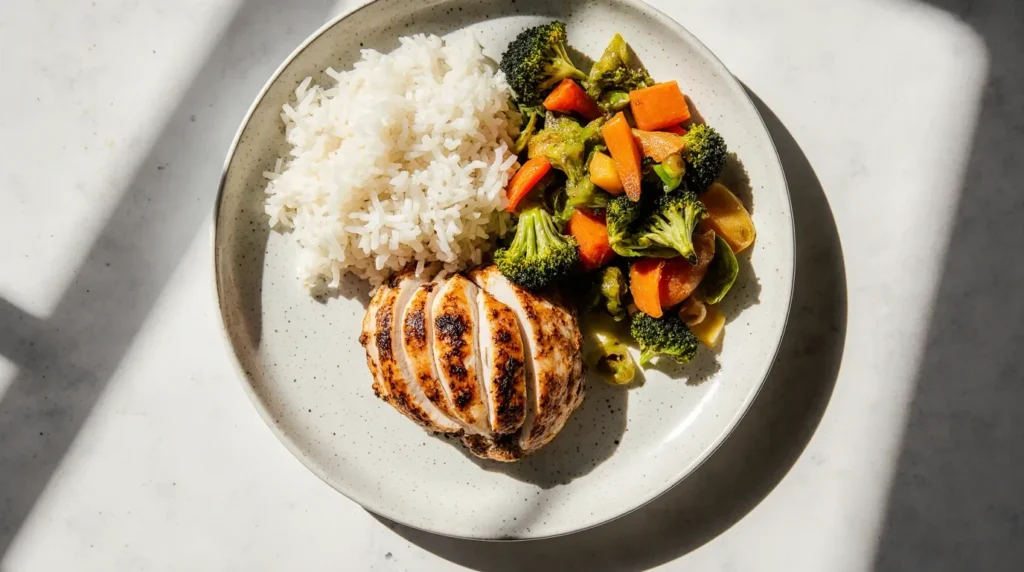
- Chicken with rice and vegetables
- Chicken salad bowls
- Chicken wraps or stir-fries
It adapts to nearly any cuisine.
High-Protein Meal Combinations
Pairing chicken with:
- Fiber-rich carbs
- Healthy fats
- Vegetables
creates balanced, satisfying meals that support long-term consistency.
Chicken Portions and Calories: How 6 oz Chicken Breast Compares
When planning meals around a 6 oz chicken breast, it’s useful to understand how it compares to other popular chicken options in terms of calories and protein. For example, fried chicken can drastically change the nutritional profile due to added fats and breading, as explained in this detailed guide on fried chicken calories and carbs:
https://tastymealrecipes.com/fried-chicken-kcal-calories-carbs/.
On the protein side, different cuts matter more than many people realize. Chicken drumsticks, while flavorful, provide a different protein-to-calorie ratio, which is clearly broken down here:
https://tastymealrecipes.com/chicken-drumstick-protein-amount-guide/.
In contrast, chicken breast remains one of the most efficient protein sources available, especially for people focused on lean nutrition and portion control. If your goal is maximizing protein with minimal calories, this in-depth resource on high-protein chicken breast explains why it’s often the preferred choice:
https://tastymealrecipes.com/chicken-breast-high-protein/.
For a deeper look at why this specific portion became so widely accepted in nutrition and fitness circles, this Medium article offers a clear and thoughtful explanation:
https://medium.com/@tastymealrecipes/why-a-6-oz-chicken-breast-became-the-gold-standard-of-healthy-eating-e33177f2260d
This comparison helps put the 6 oz chicken breast into perspective, showing why it’s so commonly used as a reference portion in structured meal plans.
Is 6 oz Enough Protein for One Meal?
For most people, yes. It provides a strong protein dose without overwhelming digestion.
How Often Should You Eat It?
As often as you like—but variety improves nutrition and adherence.
Final Thoughts: Should You Build Your Diet Around 6 oz Chicken Breast?
A 6 oz chicken breast isn’t magic. It’s not trendy. It doesn’t promise instant results.
What it offers is something far more valuable: reliability.
It’s easy to measure, easy to cook, easy to track, and easy to fit into almost any lifestyle. When used correctly, it simplifies nutrition instead of complicating it.
Build your diet around principles—not obsession. Let 6 oz chicken breast be one of your tools, not your only one.